Posted by Team Armscor on Jan 3, 2022 2 Minute Read

Defending your home from life-threatening invaders requires a serious tool that won’t let you down in the heat of the moment. If that time should come, make sure you’re ready and properly equipped.
Here are a few 1911s for home defense on which you can depend.
This one's a great option if you’re interested in having caliber diversity. This combo model allows you to use 22TCM or the drop-in 9mm barrel. It's a great option for plinking on the range, and the 17+1 capacity adds extra value as a home-defense option.
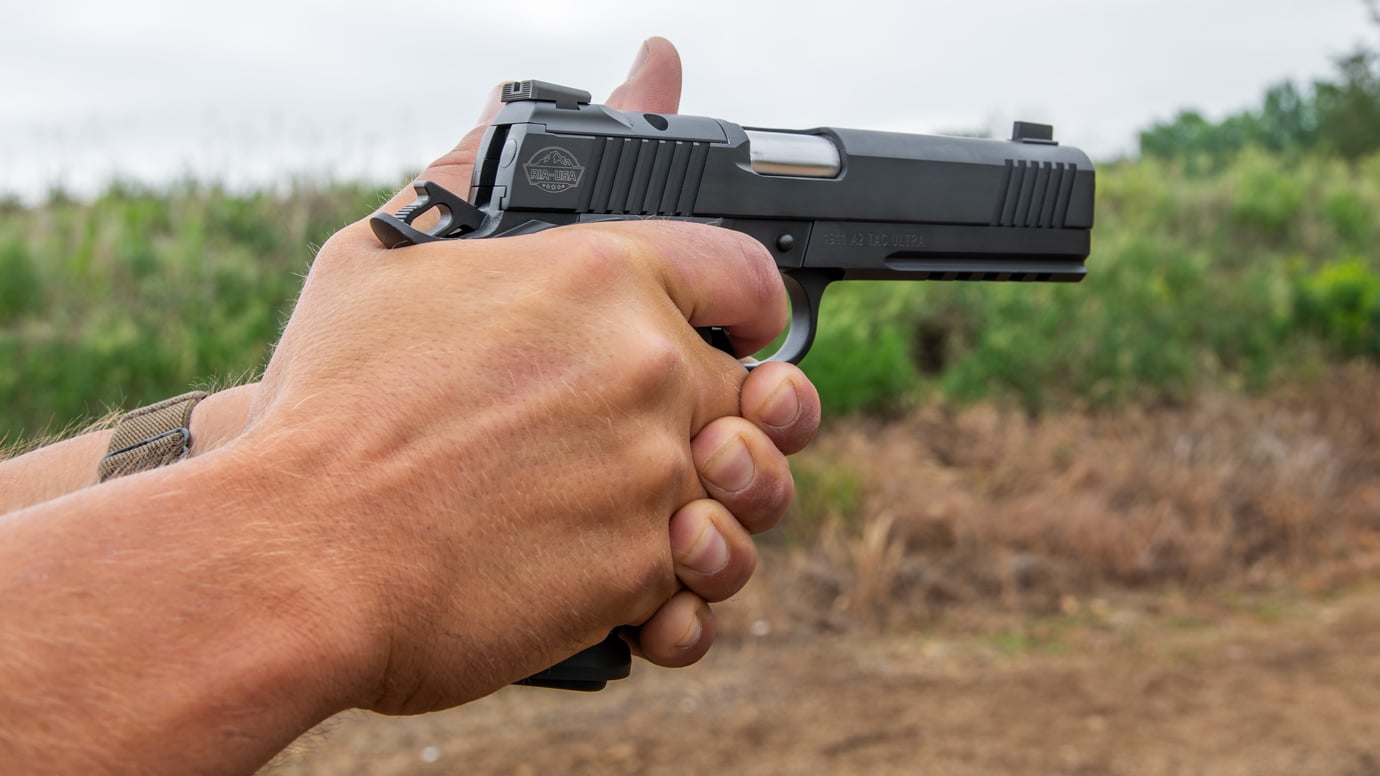
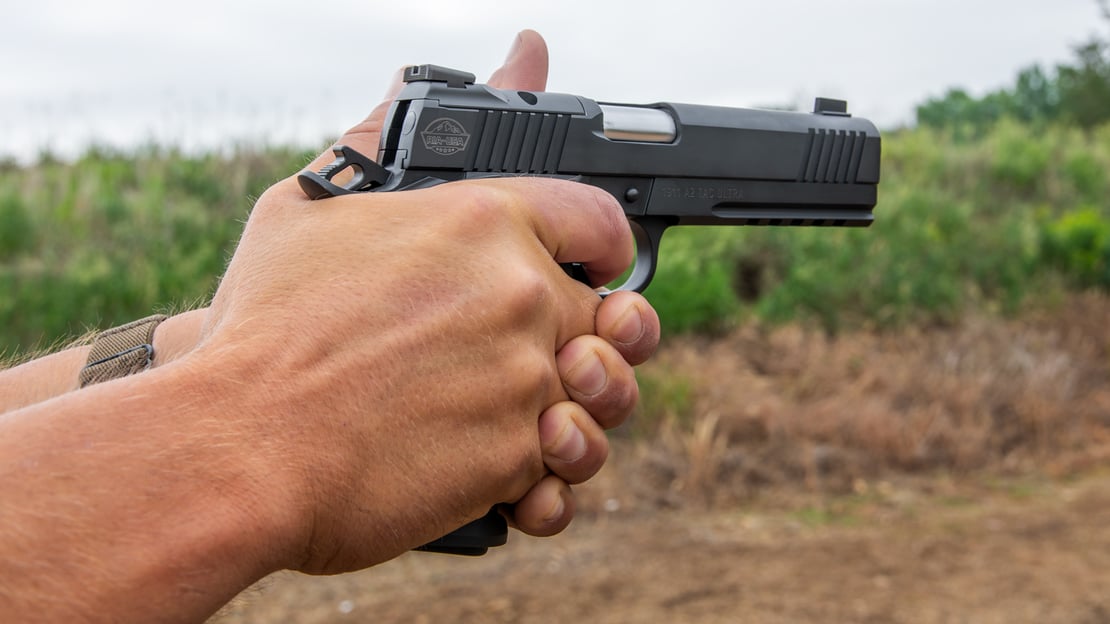
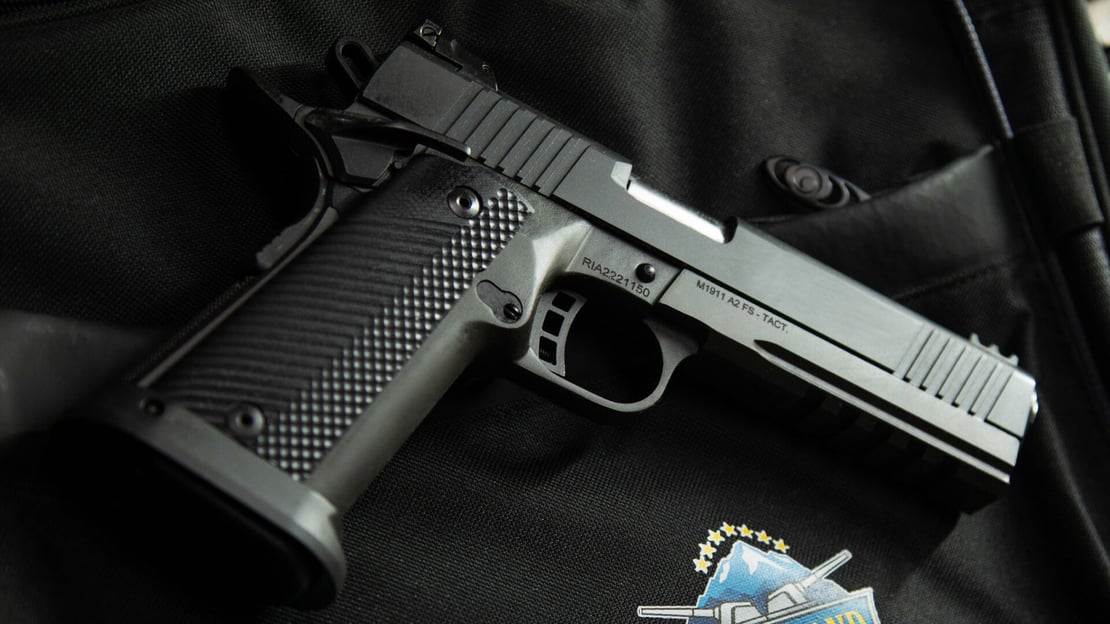
If you want something with a history of proven firepower, the TAC Ultra FS in 45ACP is right up your alley. Best of all, you can pack in 14 rounds instead of just eight. Mount a flashlight to the accessory rail to top it off for home defense.
Looking for a reliable nightstand pistol to keep next to your bed? The compact size of the TAC Ultra CS won’t hog space and still gives you the essentials for a home-defense pistol.
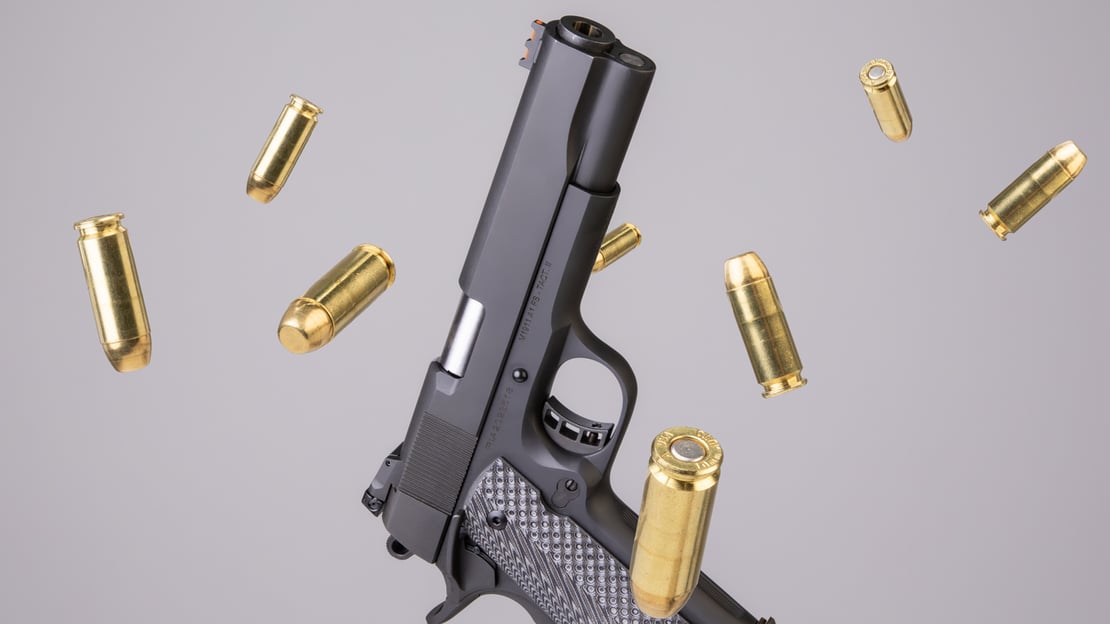
For those looking for high velocity and don’t mind a little extra kick, consider using the TAC Ultra in 10mm. It has a high-visibility front sight, a tough parkerized finish and battle-ready G10 grips.

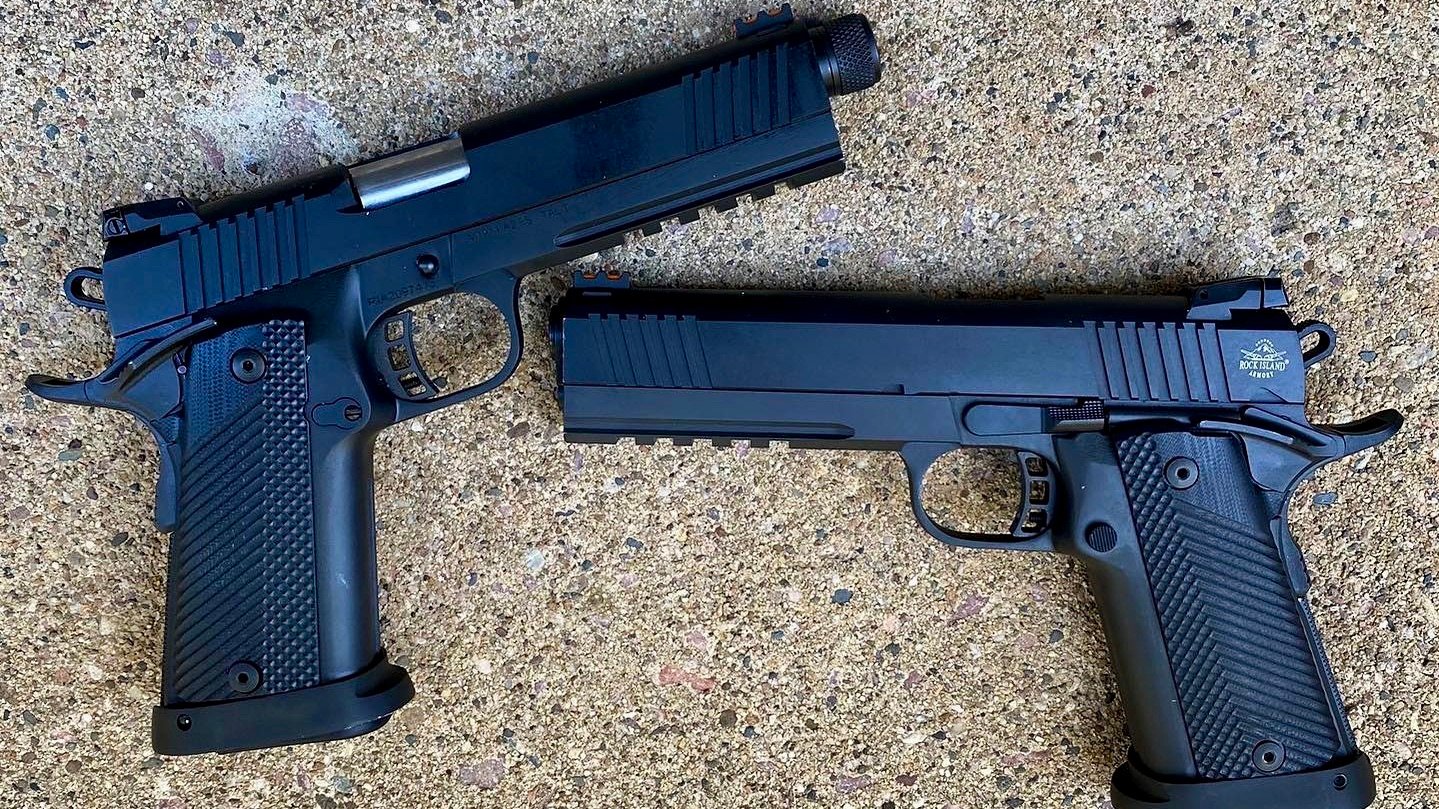
The 10mm auto ammo delivers more velocity, penetration and energy than 9mm and .45 ACP, without giving up much magazine capacity. Rock Island Armory builds one of the industry's deepest 10mm lineups, so the real question isn't whether 10mm is powerful. It's which model fits how you shoot.
This 10mm buyer's guide walks through the tradeoffs, the ballistics and the Rock Island 10mm options built to handle them.

Let’s break down firearm trigger actions.
Single action only (SAO) requires cocking the hammer before the trigger works. Double action/single action (DA/SA) has a long first pull that cocks the hammer, then lighter pulls after. Double action only (DAO) has no manual cocking; every pull is the same weight.
These terms describe hammer-fired guns specifically, a separate question from striker-fired vs. hammer-fired. Here's what each one means, with real examples from the Rock Island Armory and RIA-USA lineups.

Ask ten shooters whether they prefer a striker-fired pistol or a hammer-fired pistol, and you will get ten confident answers.
What’s actually the difference between the two firing types?
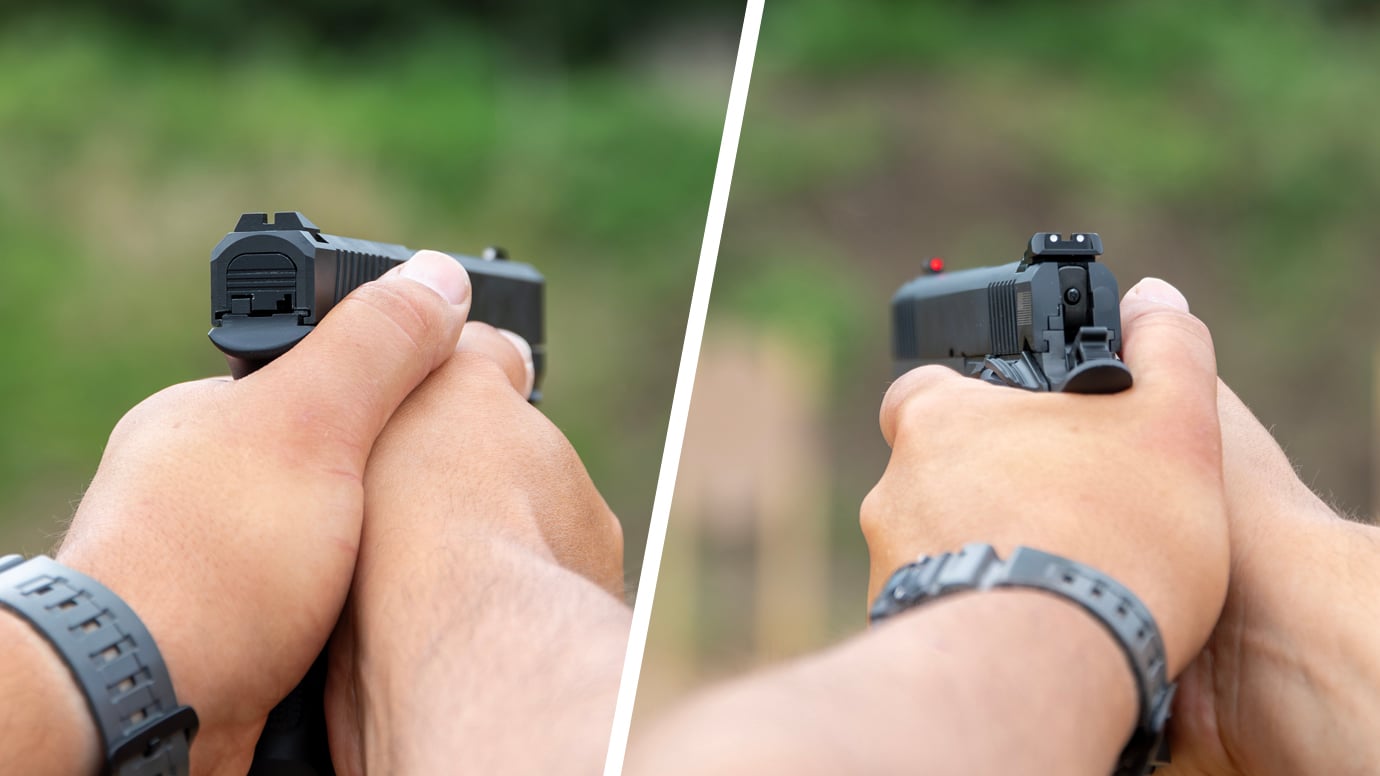
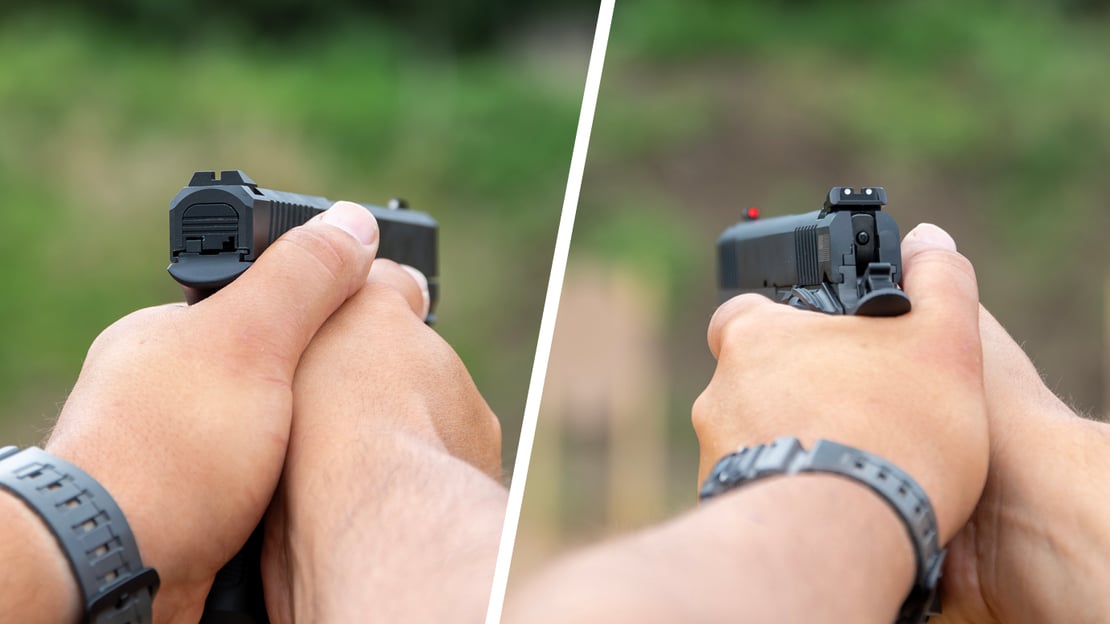
A striker-fired pistol uses an internal, spring-loaded striker to hit the primer of ammunition. A hammer-fired pistol uses a pivoting hammer that falls onto the firing pin, igniting the primer. The practical difference shows up in trigger feel, how ready the gun is to break the first shot, and firearm maintenance needs.
This choice is one of the first forks in the road when choosing a handgun, right up there with caliber and size. There is no universal winner in the striker-fired vs. hammer-fired debate, only the choice that fits how you shoot. Learn more with John McClain from Team Armscor.