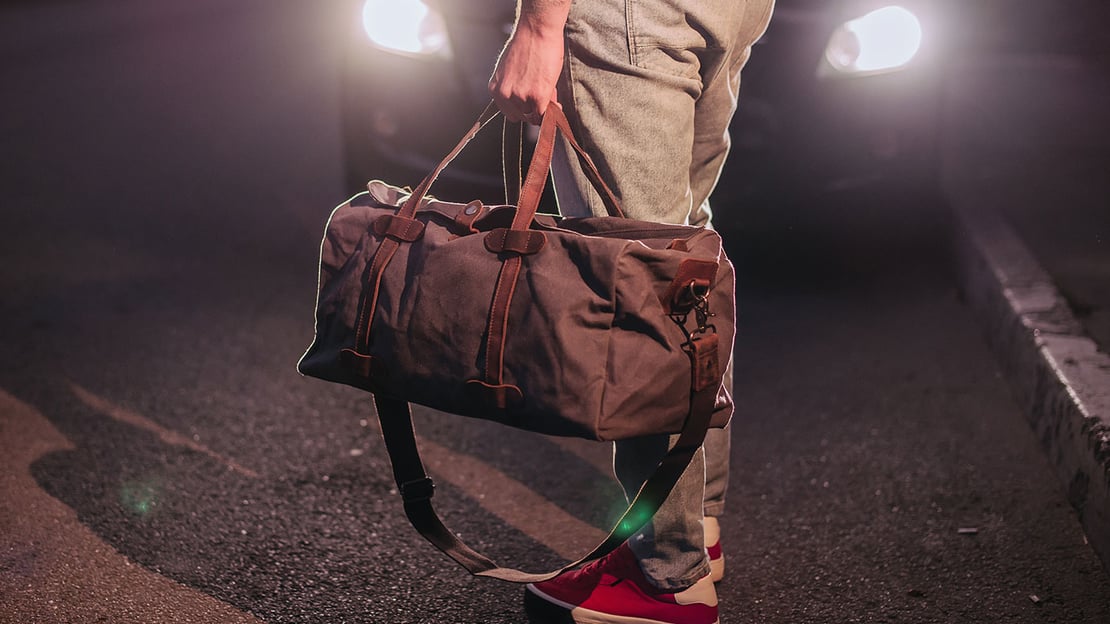
Emergency preparedness doesn't have to mean you're expecting the apocalypse. A well-stocked go bag is simply smart planning for real-world emergencies — from natural disasters to unexpected situations where you need supplies fast.
"It can be anything from any sort of an emergency that requires you to just be able to grab something that has a wide variety of things that you could potentially need," explained John McClain from Team Armscor.
Whether it's a hurricane, tornado, earthquake, power outage, or other unforeseen situation, having emergency supplies ready can make all the difference.
Why You Need an Emergency Go Bag
Even the most careful person can't control everything.
"You can do everything right and still get hurt because someone else messes up," said John.
Rather than hoping everyone around you makes good choices and the weather will stay in check, prepare yourself with essential emergency supplies. That's what emergency preparedness is really about — taking control of what you can.
First Aid: Critical Go Bag Supplies
Medical supplies form the foundation of any survival kit. But you don't need a full ambulance's worth of gear — focus on items that address serious injuries and common emergencies.
Tourniquets Save Lives
"Tourniquets are one of the most used life-saving devices for people during emergencies that involve bleeding," said John, who previously worked as a first responder.
This single piece of emergency equipment can mean the difference between life and death.
Quality matters with tourniquets. Budget options from online retailers might seem tempting, but John warns against cutting corners on life-saving gear.
"You're talking about a device that you're potentially going to risk your life on," said John.
Other Essential Supplies
Your first aid kit should include bandages ranging from simple band-aids to sterile gauze pads, nitrile gloves for protection, medical tape, trauma shears for cutting clothing without causing more damage to injured victims, and both a penlight and full-beam flashlight.
"Band-aids are just as important as trauma dressing," he explained.
Small injuries can significantly impact your ability to function, so don't overlook basic supplies in favor of only serious trauma gear. You can be prepared without having a full trauma setup.
Survival Gear for Your Emergency Kit
Fire and Heat
Fire-starting materials are lightweight, inexpensive, and key additions to any go bag.
A basic lighter serves multiple emergency purposes beyond starting fires. In survival situations, you can sterilize a knife blade to help stop bleeding.
Water Purification
Water purification tablets or a LifeStraw filter are essential survival gear. During emergencies, clean drinking water may not be readily available, and these tools let you safely consume water from questionable sources.
Shelter and Protection
Pack an emergency blanket and tarp in your go bag.
"These items are not super heavy or super expensive, but my goodness, they could potentially save your life," said John.
They take up minimal space but provide critical protection from the elements.
Tools and Equipment
A quality knife is non-negotiable emergency equipment. Add a multi-tool or basic toolkit for versatility. These aren't just for wilderness survival — they're practical for everyday emergencies from car trouble to storm damage or cave-ins.
Food and Hydration Supplies
Stock your emergency kit with protein bars, beef jerky, and electrolyte packets or drinks. Choose items with long shelf lives, but remember to rotate them before expiration dates.
Set reminders to check your emergency food supplies every six months.
Defensive Items
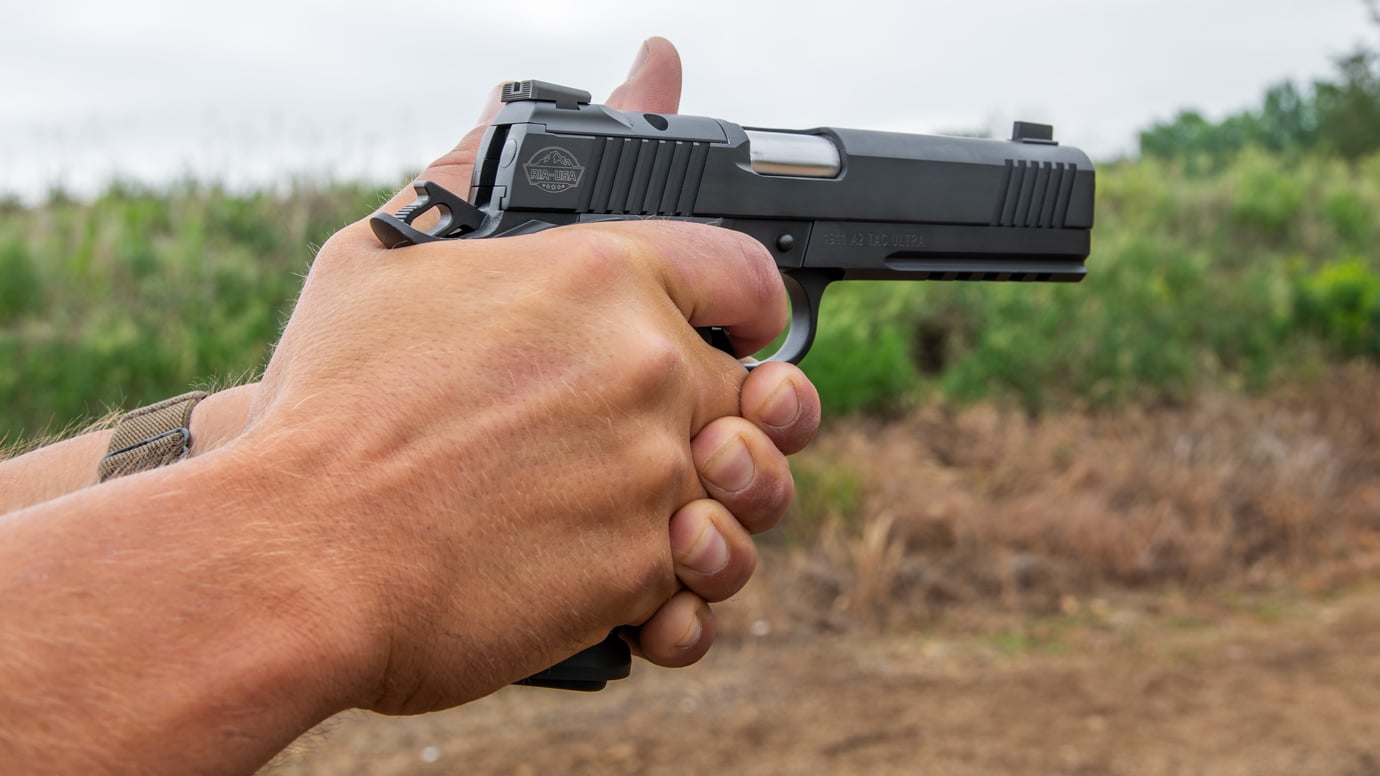
Depending on your training and comfort level, consider including ammunition, magazines, and a firearm in your go bag. This remains a personal choice based on your circumstances and preparedness philosophy.
Training Matters as Much as Gear
"Just cause you have the gear doesn't make you ready," John added.
Emergency preparedness requires both supplies and skills.
Take a first responder class through the American Red Cross, your local YMCA, or a community college. These courses teach essential skills without requiring EMT certification. Basic first aid knowledge can help in any situation — at the grocery store, at an intersection, at a baseball game, and anywhere else.
Smart Go Bag Storage
Keep your emergency bag somewhere easily accessible. Don't store survival gear on a second floor or in a back closet.
"You want to have it somewhere where it's easy to access and for you to grab in a hurry," explained John.
Quick access matters whether you're evacuating or sheltering in place.
Start Your Emergency Preparedness Today

Don't wait for disaster to strike before assembling your emergency supplies.
Complete Go Bag Checklist